
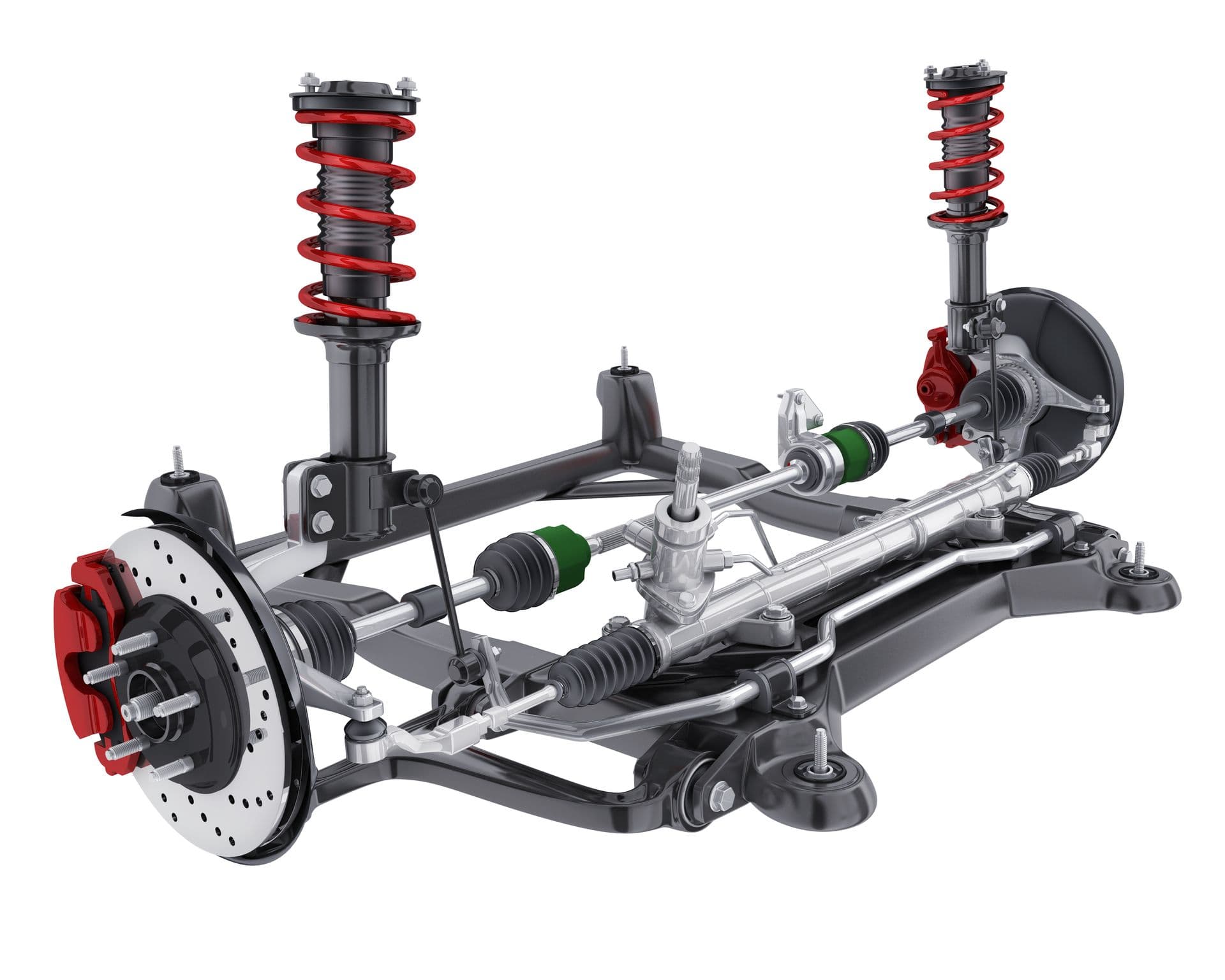
Brakes are one of those things most drivers do not think about until something feels wrong.
The problem is that by the time something feels noticeably wrong, the wear is often significant.
Here is what to watch for.
Sounds
A high-pitched squealing when you brake is usually the wear indicator doing its job. It is designed to make that noise when the pads are getting low. If you hear it consistently, get the brakes checked.
A grinding noise is more serious. This usually means the pad has worn through and metal is now making contact with the disc. At this point, you are looking at replacing both pads and discs, and the sooner the better.
Feel
If your car pulls to one side when braking, one brake may be wearing faster than the other or a caliper could be sticking. If the brake pedal feels soft or spongy, your brake fluid may be low or there could be air in the lines.
A pulsing or vibrating feeling through the pedal when you brake usually points to warped discs.
How long do brakes last?
It varies. Brake pads typically last between 25,000 and 60,000 miles depending on your driving style, the type of roads you use and the vehicle. Stop-start city driving in South London puts more wear on brakes than motorway miles.
Discs generally last longer than pads, but they do wear and should be measured at every service.
The best way to know for certain
Have them checked. At Motorsector, brakes are inspected as part of every service. We measure pad depth and disc thickness and show you what we find. If they need attention, we will tell you. If they are fine, we will tell you that too.
Book a brake inspection in Streatham at motorsector.com or call us on 020 3981 1781.