
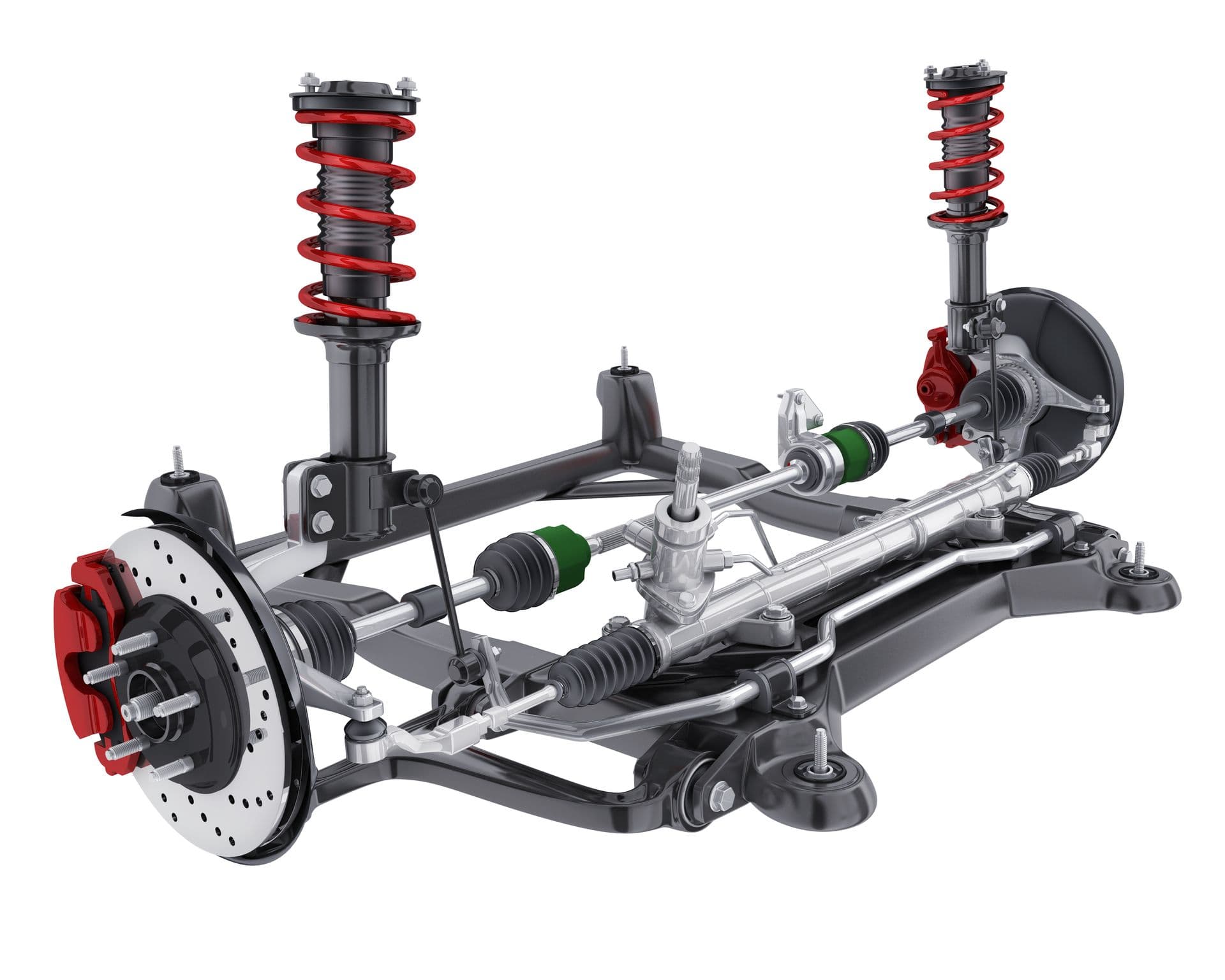
Brake discs should be replaced when they are worn below the manufacturer minimum thickness, scored, cracked, warped or otherwise unsafe. Mileage alone is not a reliable guide because driving style, vehicle weight and previous pad condition all affect wear.
Common signs of brake-disc problems
- Vibration through the pedal or steering when braking
- A grinding or scraping noise
- Visible deep grooves, rust lip or scoring on the disc face
- Longer stopping distances or uneven braking feel
How discs are checked
A technician measures disc thickness, inspects the friction surface and compares findings with the vehicle specification. Pads are assessed at the same time because uneven pad wear often accompanies disc problems.
Pads and discs together
Fitting new pads onto heavily worn or damaged discs can cause noise, poor braking and rapid pad wear. Where discs are marginal, replacing pads and discs together is usually the safer long-term option.
Do not wait for grinding
Grinding often means the friction material is gone and metal is contacting metal. That can damage discs quickly and reduce braking performance. Book an inspection as soon as you notice vibration, noise or a change in pedal feel.