
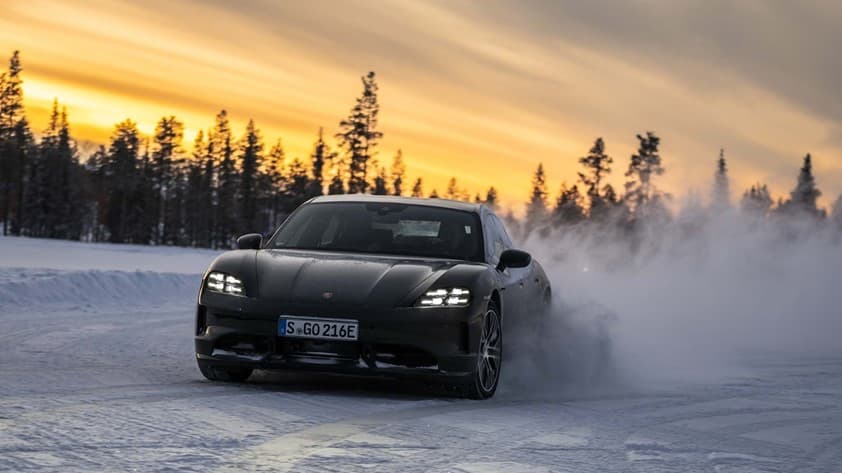
South London winters are rarely dramatic. Temperatures drop, mornings are dark, rain arrives and stays for weeks. It is not the kind of climate that makes headlines, but it is the kind that catches drivers out if their car is not properly prepared.
Here is a practical checklist to work through before the cold sets in.
Battery
Cold weather reduces a battery's ability to deliver power. A battery that starts the car without complaint in September may refuse to do so on a cold January morning. If yours is over three years old, or if the engine sounds sluggish on startup, get it tested before the temperature drops. Battery testing at Motorsector is free with a service and takes minutes.
Tyres
Tyre pressure drops as temperatures fall, typically around 1 PSI for every 5 degrees Celsius. Check your pressures at least monthly through winter, and after any significant cold snap. Under-inflated tyres reduce grip and increase stopping distances on wet roads.
Check tread depth too. 1.6mm is the legal minimum, but tyre safety organisations recommend changing before 3mm in wet conditions. Wet South London roads in November are not the place to find out your rubber is past it.
Lights
Shorter days mean your lights are working far longer each day. Walk around your car and check every light: headlights, rear lights, brake lights, indicators and fog lights. Ask someone to stand behind the car while you work through each one, or reverse towards a window to see the reflection.
Failing an MOT for a blown bulb is more common than it should be. A quick check costs nothing.
Windscreen and wipers
Check your windscreen for chips or cracks. Cold weather can cause a small chip to spread quickly, and a crack in the driver's line of sight will fail an MOT. Most chips can be repaired quickly and inexpensively if caught early.
Replace wiper blades if they smear or skip. After this summer's heat, the rubber is often dry and cracked even if the blades look intact from the outside.
Keep your washer fluid topped up with a winter formula that will not freeze in the reservoir or on the screen.
Coolant and antifreeze
Coolant serves two purposes: it stops the engine overheating in summer and prevents the water in your cooling system from freezing in winter. Check the level and condition. Old coolant loses its antifreeze properties over time, and a frozen cooling system can cause serious engine damage.
Brakes
Wet roads increase stopping distances significantly. Worn brake pads that felt acceptable in summer will feel very different on a wet November roundabout. If you have noticed any squeal, vibration or pulling to one side under braking, get the brakes checked before winter arrives.
What to keep in the car
A basic winter kit takes up very little boot space. A can of de-icer and a scraper, a torch with fresh batteries, a reflective triangle, a warm blanket and a pair of jump leads. Most of this you will never need. The one time you do, you will be very glad it is there.
Book a pre-winter check
At Motorsector in Streatham, a pre-winter check covers all of the above and more. We film underneath the car so you can see what we see, and nothing is done without your approval. It is the most cost-effective way to head into winter 2026 knowing your car is ready.
Book online at motorsector.com or call us on 020 3981 1781.