
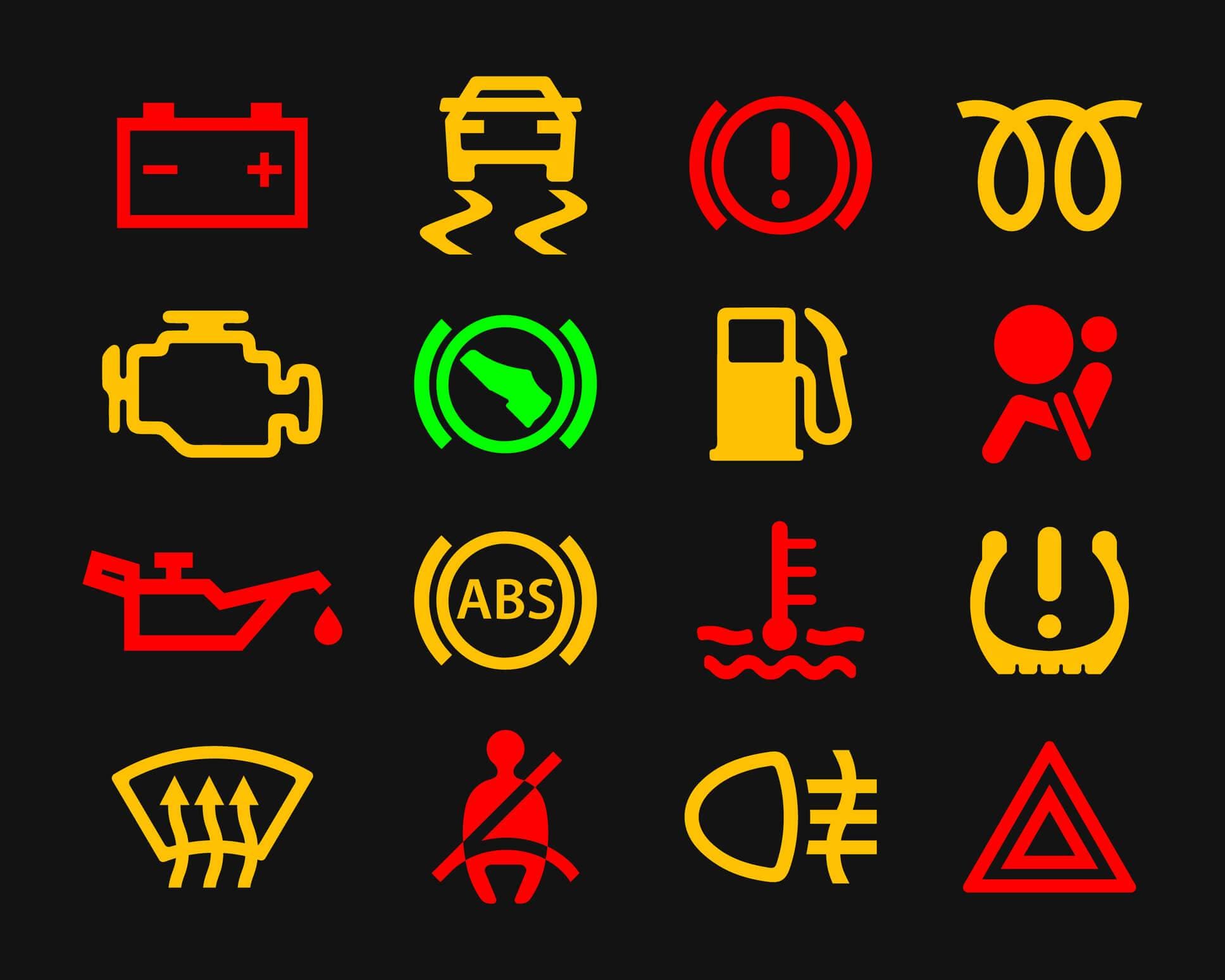
A warning light appears, a scanner produces a fault code, and an online search points towards a replacement part. It can feel as though the answer is already there. But before buying that part, there is a useful question to ask: what testing confirms it is responsible?
A fault code gives a technician evidence to investigate. A diagnosis connects that evidence with the cause of the problem and a justified next step. Understanding the difference helps you make better decisions about testing and repairs.
What does a fault code actually tell you?
Vehicle control systems monitor operating conditions and can record information when they detect a problem. Reading that information can help identify the system or condition needing attention.
However, the description is not automatically an instruction to replace the component named in it. The surrounding circumstances and relevant checks still matter. A code associated with a circuit, for instance, calls for investigation of that circuit rather than an assumption about one part.
Treat an online explanation as background information. It cannot assess your particular car, check previous repairs or establish what is happening at the time the fault occurs.
How is investigation different from a scan?
Reading codes is one possible stage of the process. The next stage is deciding what those findings mean for the vehicle and the symptoms reported.
Depending on the complaint, investigation may involve reviewing operating data, inspecting relevant components and carrying out targeted tests. Not every car needs the same sequence of checks, and not every fault produces a straightforward answer.
A useful outcome explains what has been established, how it relates to the complaint and whether further testing is needed. Ask the garage to distinguish a confirmed finding from a possibility that remains untested.
Your account of the problem matters
The technician needs more than a description of a dashboard symbol. Tell the garage what the car does and when it happens.
Useful details include:
- Whether the fault appears when cold, warm or after a longer journey.
- Whether it happens constantly or only occasionally.
- Any hesitation, difficult starting or change in performance.
- The exact dashboard message, where available.
- Recent repairs, modifications or earlier investigations.
- Whether anything changed after previous work.
For example, “it hesitates after warming up, but starts normally” gives the workshop a clearer starting point than “I think it needs a sensor”. This is an illustration of useful information, not a claim about a particular fault.
Only gather photos or video when safe. Do not use your phone while driving or deliberately recreate a problem in traffic.
Why intermittent faults can take longer
A problem may disappear before the vehicle reaches the workshop. That does not make your experience unimportant, but it can limit what can be confirmed during an initial appointment.
A clear history helps the technician decide how to approach the investigation. Bring previous reports and describe what has already been tried. Avoid clearing codes before the appointment unless advised by a technician, because recorded information may help.
If the fault cannot be reproduced, ask what evidence is available, what remains uncertain and which next step is proportionate. Agreement about further testing is more useful than a promise that every intermittent issue will be resolved within a fixed time.
What should you ask before booking?
Ask what the diagnostic appointment includes, how much investigation is authorised and how the workshop will contact you if further time is needed. Clarify whether repairs are quoted separately.
The diagnostic fee pays for investigation. It is not automatically a parts deposit, a repair price or a guarantee that every complex problem can be conclusively identified in one session.
At Motorsector's Streatham workshop, the initial diagnostic investigation includes up to one hour of testing, relevant fault-code and live-data analysis, an inspection video and applicable reports. Further investigation requires approval. Check our current diagnostic service details before booking.
What should the findings explain?
Before agreeing to repairs, ask the workshop to explain:
- Which findings relate to your original complaint.
- What supports the proposed repair.
- Whether any checks or uncertainties remain.
- The repair scope and cost.
- How the result will be checked afterwards.
You do not need a lesson in every technical detail. You should understand why the proposed work is reasonable and what you are authorising.
If you already have a report from another provider, share it. It can provide useful context, although the workshop may still need to verify findings before recommending its own repair.
Frequently asked questions
Can you diagnose the car from a code over the phone?
A code can help prepare an enquiry, but it normally cannot establish the complete cause remotely. Include it alongside the symptoms and any existing reports.
Will clearing a code fix the fault?
Clearing stored information does not establish that the cause has been repaired. A disappearing warning alone is not proof of a successful repair.
Can I keep driving until the appointment?
A code alone cannot establish that a vehicle is safe. Follow the handbook's warning-specific instructions. Stop safely and seek assistance if there is an urgent warning, severe running problem, smoke or loss of safe control. Discuss transport if you are unsure.
Arrange a diagnostic investigation in Streatham
You do not need to identify the failed component before contacting Motorsector. Share your registration, symptoms and previous reports so we can discuss the appropriate booking.
Send a diagnostic enquiry or call 020 3981 1781.